
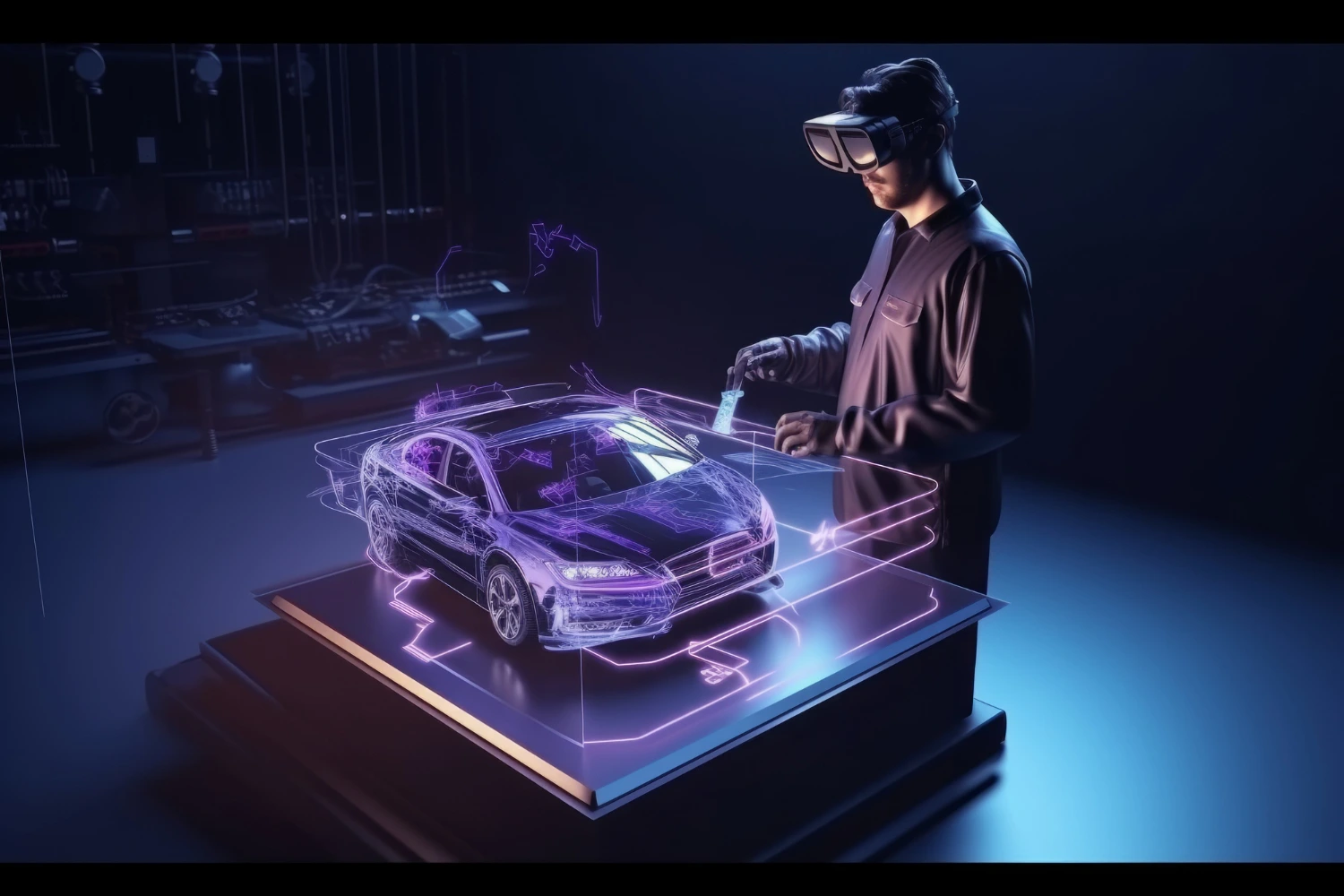
 AI & IATF 16949 are the two strong tools when integrated together can amplify the performance of automotive quality management system. This blog will help you understand how automotive organizations can adopt Artificial Intelligence and achieve competitive edge.
Why AI & IATF 16949 Integration Matters
IATF 16949 an automotive standardization tool for quality management system focuses on customer satisfaction, defect prevention, and remove waste from the supply chain by focusing on process control. It induces risk-based thinking into the roots of the quality management system. AI on the other hand strengthens all these measures. Artificial Intelligence can be used as a proactive tool that helps predict failure before it occurs, aids in shortening response time for nonconformities. Provides quick and effective solutions and enhances APQP (Advanced Product Quality Planning) and PPAP (Production Part Approval Process) process.
AI for APQP PPAP
Artificial Intelligence helps cross functional teams to predict process risks and failures during design and process FMEA and helps provide a clear project timeline. Rather than human judgement on RPN scoring, it helps provide data-driven RPN scoring and identifies high-risk controls.
AI for Corrective Actions
Artificial Intelligence helps define failure modes and root causes associated with it and suggests corrective actions that can eliminate repeat issues.
How Automotive Suppliers Can Begin Implementing AI
Step 1: AI implementation can start from high priority/impact and small change or effort area. This will help a smooth pilot implementation process. AI does not change your system completely; it becomes part of the system by providing accurate and predictive information.
Defect detection can be employed using AI powered vison system.
Predictive maintenance using vibration, thermal, or acoustic AI sensors.
AI-assisted SPC to forecast process shifts before they become out-of-control.
Supplier Management System integrated with AI for improving and monitoring performance.
Step 2: Provide correct data, as it is said, “Garbage in is garbage out”.
Connect machines, PLCs, and sensors to a central data platform.
Clean, label, and structure production data.
Store historical process data for model training.
Step 3: Validation is the key step in any process. Either implementing a new process or running a system, validation is compulsory. This step focuses on validating AI before it becomes a control method. Incorporate it in PFMEA and Control Plan.
Step 4: Training employees is the most important step for executing AI as employees are the owner. Employees should understand how AI works and interprets data and process output.
Will AI Replace Employees?
No — AI itself is artificial intelligence; it gets and uses the intelligence of human data.
It provides data, answer, predict failure and suggest corrective action based on data collected globally. It will not replace employee but will help team be time effective, strategists and time is the ultimate resource that can not be replaced.
Instead of replacing workers, Artificial Intelligence will:
- Automate routine work, not skilled decision-making
- Reduce repetitive tasks, so employees focus on strategy
- Improve accuracy, reducing rework and firefighting
- Support decisions, not make them autonomously
- Increase cross-functional productivity
- Free up time — the most valuable, non-renewable resource
In the coming future OEMs and Certifying bodies will drive towards AI-based controls and actions.
AI will become a necessity, not a luxury.
FAQs
Q: How AI helps with IATF 16949 requirements?
Artificial Intelligence and IATF 16949 both are continuous improvement tools. AI helps IATF system by turning data into proactive actions. AI predicts failure modes using machine, process, or sensor data and strengthens FMEA and CP. It helps identifying root causes and suggesting corrective actions. It improves customer satisfaction through more consistent quality and fewer escapes
Speeding up SPC and early warning det
Q: Can AI be used in PFMEA and DFMEA for automotive suppliers?
Yes. Artificial Intelligence can analyze historical failure data, customer issues, warranty claims, and process trends to recommend more accurate severity, occurrence, and detection ratings. It helps create dynamic FMEAs that update automatically instead of static spreadsheets.
Q: Will AI replace quality inspectors under IATF 16949?
No. As we have explained earlier in the blog, Artificial Intelligence will not replace worker but will automate the work. AI will have workforce focused towards strategic and decision-making tasks rather than clerical job. People are still needed to validate AI outputs, make decisions, complete root-cause analysis, and ensure compliance with customer-specific requirements.
Q: How does AI improve SPC (Statistical Process Control) in manufacturing?
AI predicts when a process will drift out of control, forecasts Cp/Cpk trends, identifies abnormal variation patterns, and provides real-time alerts. This moves SPC from reactive detection to predictive prevention, reducing scrap and customer rejection.
Contact Us Today
Kadmar Consultants offers IATF 16949 Training Programs for organizations across Canada and America.
We are your partner in building a strong Quality, Management System.
Book your IATF 16949 Consultancy Today and get 20% Discount.
Author: Asma Rashid
Kadmar Consultants helps Canada manufacturers achieve ISO 9001 and IATF 16949 certification through consulting, training & audit.