
 Winning a larger contract can expose a problem that many growing businesses do not see while they are small: good people and good intentions are no longer enough to produce consistent results. Customers begin asking how work is controlled, how complaints are investigated, how suppliers are approved, and how management knows whether the system is improving. At that point, quality needs to become a managed business process rather than a collection of individual habits.
This ISO 9001 certification preparation checklist is designed for growing organizations in Canada and the United States that want a practical route to an independent audit. It focuses on the evidence a business needs, the sequence in which work should be completed, and the common mistakes that create delays. The goal is not to manufacture paperwork. It is to build a quality management system that reflects how the organization actually sells, designs, purchases, produces, delivers, and supports its products or services.
Before drafting procedures, leadership should agree on why the organization is pursuing certification. The reason might be a customer requirement, a tender condition, entry into a new supply chain, improved control during growth, or a need to reduce recurring errors. A clear business reason shapes the scope, priorities, resources, and measures used during implementation.
ISO describes ISO 9001 as a framework that helps organizations deliver consistent products and services, improve efficiency, and meet customer and regulatory expectations. Certification is voluntary, although customers or contracts may require it. The standard defines requirements for a quality management system but does not prescribe one operating model for every organization. That flexibility is important: a ten-person service company should not copy the documentation structure of a multi-site manufacturer.
Leadership should translate the business reason into a few measurable outcomes. Examples include reducing customer complaints, improving on-time delivery, shortening quotation response time, lowering rework, or strengthening supplier performance. These objectives make the system useful. They also help employees understand that implementation is not merely an administrative project for passing an audit.
As of July 20, 2026, ISO 9001:2015 remains the current published certification standard. ISO has released ISO/FDIS 9001, the final draft of the next edition, and states that the revised standard is expected to replace the 2015 edition in September 2026. ISO also states that organizations certified to the 2015 edition will receive a transition period after publication.
That timing should not encourage a business to stop improving its system. An organization pursuing certification now should confirm the applicable edition and transition approach with its selected certification body. It can also monitor the revision and begin identifying changes without treating draft text as a final requirement. Core practices such as process control, leadership involvement, risk-based thinking, competence, performance evaluation, corrective action, and continual improvement remain valuable regardless of the transition timetable.
Map the path from customer inquiry to final delivery and support. Include functions that affect conformity, even when they are outsourced. For example, outsourced design, calibration, warehousing, processing, inspection, or transportation may still require organizational control. Identify physical locations, remote teams, supporting functions, and the products or services included. If a requirement is considered not applicable, document the justification carefully; exclusions cannot be used simply because a process is inconvenient to control.
The result should be a short statement that an employee, customer, and auditor can understand in the same way. The scope should align with the process map, documented responsibilities, audit program, and eventual certificate.
Map Processes and Their Interactions
A quality management system is a network of interacting processes. Start by identifying customer-oriented processes, management processes, and support processes. Typical examples include sales and contract review, design, purchasing, production or service delivery, inspection, warehousing, equipment maintenance, competence management, document control, internal audit, corrective action, and management review.
For each process, define its purpose, inputs, activities, outputs, owner, resources, risks, controls, and performance measures. Then show how the output of one process becomes the input of another. A quotation may become an accepted order; the order may drive design or purchasing; purchased material may enter receiving inspection; production results may move to final verification and delivery.
Compare current practices with the requirements of the applicable edition. Record what already works, what is partially implemented, what is missing, the evidence reviewed, the action required, the owner, and the due date. Do not assume that an undocumented process is absent or that a written procedure is effective. Verify practice and evidence together.
A useful gap assessment examines organizational context, interested parties, leadership, quality policy, objectives, risks and opportunities, resources, competence, awareness, communication, documented information, operational planning, customer requirements, design where applicable, external providers, production or service controls, release, nonconforming outputs, monitoring, customer satisfaction, internal audits, management review, corrective action, and improvement.
Prioritize gaps that affect customers, legal or regulatory obligations, product or service conformity, and system-wide control. Closing a formatting issue is less urgent than correcting an uncontrolled inspection method or an ineffective complaint process.
Train people on why a control exists, not just which box to check. A receiving inspector who understands the risk of accepting the wrong material is more likely to recognize an unusual certificate or specification. Competence should be evaluated through appropriate evidence such as observation, testing, qualification, work results, or supervised performance—not attendance alone.
Conduct a Complete Internal Audit
The internal audit should test both conformity and effectiveness across the defined scope. Plan the program according to process importance, changes, previous results, and risk. Auditors should be objective and should not audit their own work where impartiality would be compromised.
Complete the audit early enough to close significant findings and confirm effectiveness before the external assessment. A last-minute audit may identify problems without leaving time to solve them.
Hold a Meaningful Management Review
Management review is leadership’s evaluation of whether the quality management system remains suitable, adequate, effective, and aligned with the organization’s direction. It should consider required inputs such as previous actions, changes in context, customer feedback, objective performance, process results, nonconformities, audit findings, external-provider performance, resources, risks and opportunities, and improvement opportunities.
The output should record decisions and actions concerning improvement, system changes, and resource needs. A presentation without decisions is weak evidence. Leaders should challenge poor trends, remove barriers, and assign accountable owners with completion dates.
Prepare for Stage 1 and Stage 2
The initial certification assessment commonly occurs in two stages. Stage 1 evaluates readiness, scope, system documentation, site conditions, understanding of requirements, and planning for Stage 2. The auditor may identify areas of concern that must be resolved before proceeding.
Stage 2 evaluates implementation and effectiveness through interviews, observation, record sampling, and process trails. If nonconformities are raised, the organization must respond according to the certification body’s requirements. Certification follows only after the required audit and decision processes are satisfactorily completed; consultants do not issue accredited certificates.
Before Stage 1, confirm that the scope, process map, objectives, internal audit, management review, key records, and corrective actions are complete and coherent. Before Stage 2, verify that employees can explain their work, records are retrievable, controls are followed, and earlier concerns have been addressed.
How long does certification preparation take?
The timeline depends on organizational size, complexity, number of locations, current maturity, available resources, and the seriousness of identified gaps. A small organization with stable processes may move faster than a multi-site business with design, manufacturing, or extensive outsourcing. Build the plan from a gap assessment instead of relying on a generic promise.
Does a small business need a quality manual?
ISO 9001:2015 does not prescribe a quality manual as a universal requirement. A business may still find a concise manual useful for explaining its scope, processes, responsibilities, and document structure. The deciding question is whether it helps the organization control and communicate its system.
What is the purpose of an ISO 9001 certification preparation checklist?
It helps leadership confirm that the scope, processes, required controls, records, internal audit, management review, corrective actions, and external-audit arrangements are complete. It should be used as a readiness control, not as a substitute for understanding and implementing the standard.
Should we wait for the next edition before starting?
Not necessarily. As of July 20, 2026, the 2015 edition remains current, while the revised edition is expected in September 2026. Organizations should discuss timing and transition arrangements with their certification body, monitor official ISO updates, and continue strengthening the underlying management system.
Can a consultant guarantee certification?
No responsible consultant should guarantee an independent certification decision. A consultant can help interpret requirements, assess gaps, develop practical controls, train employees, conduct readiness activities, and support corrective action. The certification body must independently audit the system and make its own decision.
The strongest implementation does more than prepare a company for an auditor. It clarifies responsibilities, makes critical handoffs visible, produces reliable evidence, and gives leadership better information for decisions. That is why the work should begin with business needs and end with verified process effectiveness.
Kadmar Consultants supports organizations with practical gap assessment, quality-management-system implementation, internal auditing, management review preparation, corrective-action support, and certification readiness. Use this ISO 9001 certification preparation checklist to identify your current stage, then request a focused readiness discussion to determine the next appropriate action. Certification remains an independent decision made by the selected certification body.
 Many organizations see ISO 9001 Implementation a big challenge and organizations are geared towards developing heavy documentation. The myth still exists today, the more the document the better the system. The truth is quite opposite; a strong system implementation depends on the controls, structured processes and interaction between them. Organizations face increasing pressure to improve quality, reduce operational issues, increase customer satisfaction, strengthen process control, and remain competitive in rapidly changing markets. This is why many organizations are looking for fast-track ISO 9001 implementation support.
At Kadmar Consultants, we help organizations implement practical and audit-ready ISO 9001 Quality Management Systems efficiently. Depending on the organization’s size, complexity, and operational readiness, many businesses can establish the core ISO 9001 framework within approximately 12 working days using a structured implementation approach.
Our focus is not simply creating paperwork. We help organizations build practical systems that improve operational control, customer satisfaction, process consistency, and continual improvement.
ISO 9001 is the world’s most recognized Quality Management System (QMS) standard.
The standard provides organizations with a structured framework to:
ISO 9001 can be implemented in almost any industry including Manufacturing, construction, engineering, IT services, logistics, healthcare, distribution, professional services, warehousing, automotive suppliers and educational organizations.
Yes — many organizations can establish the core structure of the Quality Management System within 12 working days when implementation is properly planned and managed.
Organizations often already have:
The implementation process focuses on aligning these existing activities with the standard requirements while improving operational consistency and establishing structured quality controls.
The implementation timeline depends on organizational size, process complexity, existing documentation, leadership involvement, employee participation, operational maturity and availability of resources.
One of the biggest problems organizations faces is excessive documentation and unnecessary complexity.
Many traditional implementations fail because too many procedures are created and systems become difficult to maintain. Employees do not understand the QMS and documentation does not reflect actual operations resulting in internal audits becomes checklist exercise and operational improvement is ignored.
A successful QMS implementation should improve operations, not create administrative burden.
At Kadmar Consultants, we focus on lean, practical, and process-based implementation.
Day 1: Gap Assessment & Project Planning
We evaluate:
This helps identify implementation gaps and establish an implementation roadmap.
Day 2–10: Process Mapping & Documentation
We help organizations establish:
Our focus is creating simple, usable, and operationally effective documentation.
Day 10–12: Operational Control & Implementation
We support organizations in implementing:
This stage helps align operational activities with ISO 9001 requirements.
After Implementation: Internal Audit & Management Review
Internal auditing is critical to ISO 9001 effectiveness.
We help organizations establish internal audit programs, audit schedules, process-based audit methods, audit reporting systems and management review processes.
Our auditing approach aligns with ISO 19011 auditing principles and focuses on operational effectiveness rather than checklist auditing.
Our implementation approach includes:
Organizations implementing ISO 9001 effectively may benefit from:
Organizations choose Kadmar Consultants because of our practical and industry-focused implementation methods.
Why clients work with us:
We help organizations establish systems that are sustainable, practical, and aligned with real business operations.
Contact Kadmar Consultants for ISO 9001 Implementation Support
If you are looking for ISO 9001 consultants, fast-track ISO 9001 implementation, ISO 9001 internal audit support, Quality Management System development, Process-based QMS implementation, Certification preparation support, and ISO 9001 training and auditing services
Our team provides practical, industry-led, and audit-ready ISO 9001 implementation services designed to help organizations establish strong Quality Management Systems efficiently and effectively.
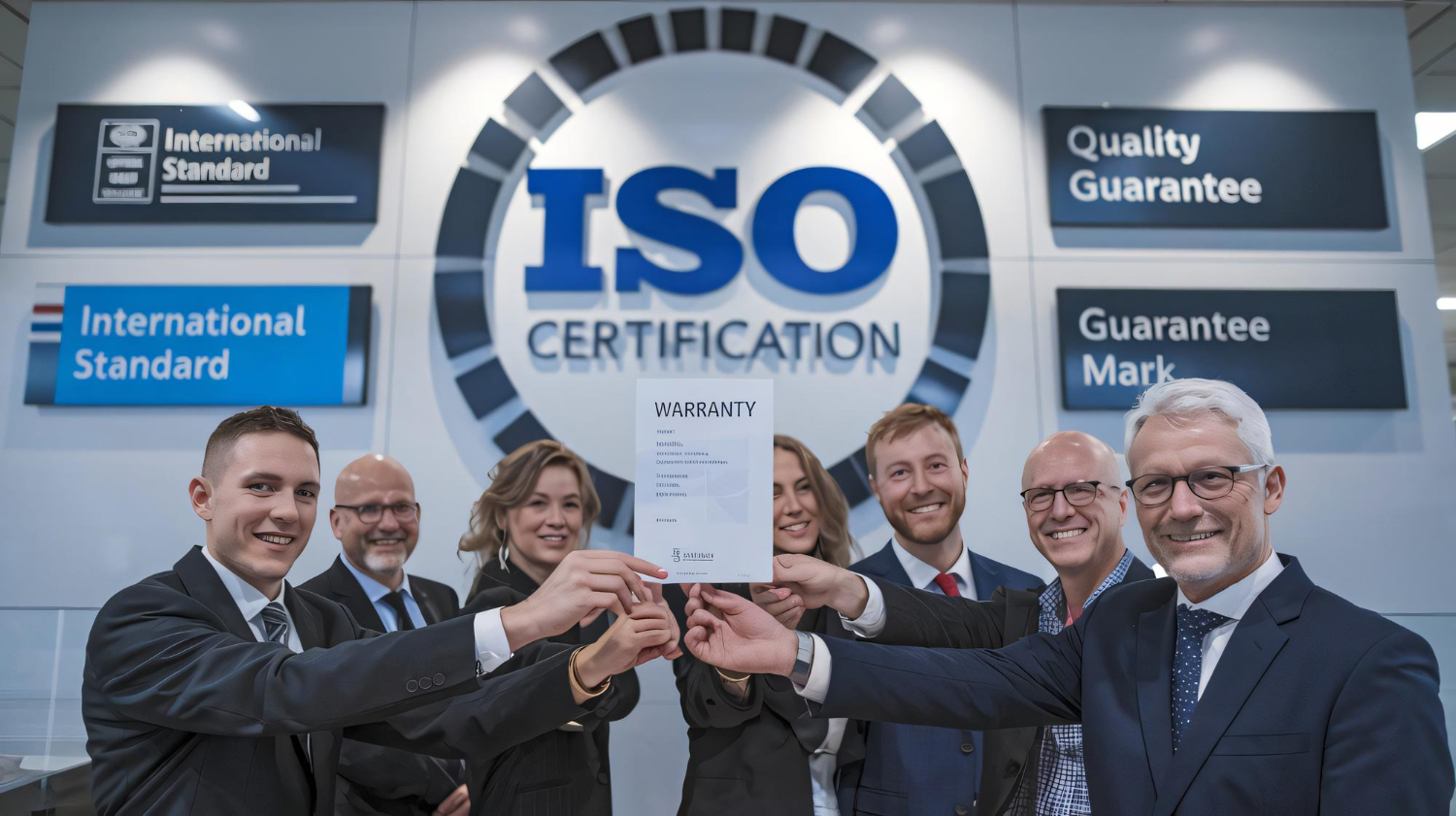 ISO 9001:2026 Certification requirement for organizations who are currently part of the standard or are looking to get upgrade to the new standard, the new release set date is in Oct of 2026. The revision to the current standard is not a complete system redesign but is design to reflect modern business challenges such as climate change, Risk and Opportunity assessment, and evolving customer expectations. If your organization is currently certified to ISO 9001:2015, now is the time to understand what’s changing and how to prepare.
Kadmar Consultants is trusted partner in providing you with the latest information and help your organization adapt to the changes required by the new standard.
The world is changing and so is the current needs, the standard changes is required to acknowledge the growing need and demand and evaluate organizations effectiveness to achieve operational excellence.
The upcoming revision (expected in Oct 2026) aims to:
Leadership expectations expanded
The standard requires leaders to deploy the quality management system in the most effective way. They are solely responsible for providing adequate resources with respect to people, equipment, infrastructure, utilities etc.
Quality Culture a mandatory requirement
The organization should demonstrate strong quality culture where quality is in engraved into each process and activities and the standard acts as a live document.
Restructured Risk and Opportunity Management
Clause 6.1 is being refined into clearer sub-clauses to separate:
This ensures organizations:
The opportunity will also hold the same weightage as risk. Apart from preventing organization from threat, it is important to improvise the strength.
Performance Evaluation and Management Review
The inputs of the management review are not optional but must be covered during management review meetings. Further new sets of input are introduced that will strengthen the quality management system. Context of organization, Risks, Opportunities, Culture are more visible.
Performance evaluation will be integrated with business success.
Integration with Harmonized Structure (HS)
Annex SL structure will remain same for the standard as the current one.
A significant addition is the explicit consideration of climate change within the QMS.
Organizations must:
This aligns ISO 9001 with global ESG (Environmental, Social, Governance) trends also known as SA8000.
Enhanced Continual Improvement Requirements
Continual improvement is the backbone of the standard and requires all processes and activities are designed in PDCA cycle so continual improvement activities are the integral part of the organizations quality management system.
Good news: core operational processes remain largely unchanged.
This includes:
It is important to understand though; the risk and opportunity is aligned with all the processes and clauses.
DIS- Draft version released: Aug 2025
FDIS- Final draft standard expected: May 2026
Standards publish possible date: Oct 2026
Transition period: typically, 2–3 years
What this means:
Your ISO 9001:2015 certification will remain valid temporarily
You must transition before the deadline to maintain certification
To stay ahead of ISO 9001 changes, organizations should start early.
Many companies fail during transitions due to:
The new revision demands a business-integrated QMS, not just compliance.
Instead of seeing the standard as a burden, forward-thinking organizations will use it to:
ISO is no longer just a certification—it’s a business improvement framework.
At Kadmar Consultants, we specialize in:
ISO 9001 implementation and transition support
Unlike generic training providers, we focus on:
The ISO 9001:2026 Certification requirements for the new revision will not be a radical overhaul—but it is a strategic upgrade. It shifts the focus from compliance to performance, from documentation to culture, and from risk avoidance to opportunity creation. Contact us today for your ISO 9001:2026 Certification needs.
 Looking for ISO 9001 Internal Audit services near you for certification, surveillance, recertification readiness and to improve your current Quality Management System (QMS).
At Kadmar Consultants, we recognize that ISO is not just about paperwork—it is a system validation process, and audits actively evaluate the effectiveness of your quality management system.
Internal Audit plays an important role to ensure business is performing on the defined CTQs (Critical to Quality) metrics. CTQs defines organization’s internal performance metrics and does relate to customer satisfaction. The audits are mandatory requirement under the Clause 9.2 and are critical to maintaining certification.
Conducting the audits as per requirement of the standard with right and competent resource helps organizations
Process-Based Auditing
Each organization audit is different and unique and varies in business structure and nature. Each audit gets planned on the basis of your business goals. We conduct audits using a process-based approach to ensure effectiveness and alignment with your operations.
What is Process-Based Approach? Departments don’t work in silos they are interconnected at different levels of operations at different time. Therefore, the departments are referred to as process and each process is connected to other process. The audit is carried out in a way for interaction points and handoff between process is calculated and defined.
Aligned with Certification Body Expectations
A true audit is one that understands business needs, structure, scope and align it with standard. The audit should follow the same structure as any certification body would conduct the audit. This makes the audit process efficient and effective.
Experienced Consultants & Auditors
We have built a competitive team of auditors apart from performing certification audit, they implement the entire quality management system as well with over 2 decades of combined experience.
Value-Added Audit Approach
We don’t just find problems—we provide:
We provide services for:
Organization Size |
Audit Duration |
| Small (5–15 employees) | 2 Days |
| Medium (15–70 employees) | 2–3 Days |
| Large Organizations | Custom Plan |
Includes audit execution + reporting.
The 2 days audit is the evaluation of the entire quality management system as any certification body does surveillance audit per year. This is a continuous improvement process that continues to go on.
| Service | Estimated Cost per Hour | No of Hours/Day | Total No. of Day | Total Cost |
| Small Organization (5–15 employees) Audit | $100/Hr | 8 | 2 | $1600 |
| Medium Organization (15–70 employees) Audit | $100/Hr | 8 | 3 | $2400 |
| Corporate / Multi-Site Audit | $100/Hr | Custom Plan based on business need | Custom Plan based on business need | Custom Plan based on business need |
Cost depends on scope, complexity, and number of processes.
The best thing about Kadmar is the rate remains same and does not get changed with organizations size. We are fair and transparent with our clients, and this is the key principle on which Kadmar is built on.
2025 common challenges most of the organizations faced
Before certification audits, our audits help you identify and fix issues proactively.
| Internal Audit | Certification Audit |
| Can be conducted by internal team or external consultants | Conducted by certification body |
| Focus on compliance accomplishment and evaluate current system effectiveness | Focus on compliance accomplishment and evaluate current system effectiveness |
| Flexible and supportive | Formal and strict |
| Helps prepare for certification | Determines certification status |
Is the internal audit mandatory?
Yes. It is required under ISO 9001:2015 Clause 9.2.
Can you perform internal audits for our company?
Yes. We provide independent internal audit services for organizations across industries.
Do you provide audit support after findings?
Yes. We support corrective actions and audit readiness.
Can internal audits be done remotely?
Yes, Most of organization prefer remote audits so the production is not distracted. We provide both options.
Our ISO 9001 internal audit services is your solution for certification readiness and system improvement.
Contact Kadmar Consultants today to schedule your audit
Get a customized quote based on your organization.
 ISO 9001 certification is growing demand repeatedly in USA. Apart from organizations necessity of understanding and applying the standard into their business process, now individual professionals are required to understand the need and changing demand of the standard. All process owners in business should know what is expected from them and how will the standard help them achieve the KPIs. It is a tool that helps to streamline cost, assess risk before realization, and helps organization in building operation excellence not only through process improvement but leadership, proactive thinking, contingency planning.
Kadmar Consultants provides ISO 9001 support in the USA, helping organizations implement practical Quality Management Systems, achieve certification, and improve operational performance.”
ISO 9001 is Quality Management Systems (QMS) based on which businesses are build and defined. It is the framework for any structure that needs existence on ground. It provides a structured framework to ensure that organizations consistently meet customer and regulatory requirements while improving overall performance.
The standard is based on key principles such as:
ISO 9001 is applicable to any organization, regardless of size or industry, making it one of the most widely adopted standards globally.
As we defined earlier this is a competency that organization needs to sustain the business challenges and be profitable.
You don’t need to say much to get business. Your certificate shows an effective QMS is in place that will help other organization’s to do effective business.
All operations are streamlined with the risk assessed and controls defined so the customer is protected in any contingency situation.
Global recognition and impact on international market.
Decision is made on facts, hard number not intuitions. Where intuition plays a vital role in business, it must be backed up by fact.
The standard promotes a culture of ongoing improvement, ensuring long-term success.
At Kadmar Consultants, ISO 9001 certification support is designed to be practical, efficient, and results driven.
We assess your current processes against ISO 9001 requirements to identify gaps and improvement areas.
We help design and implement a customized Quality Management System, including Quality policy and objectives, Process mapping, Documented procedures, Risk assessments
Proper documentation is critical for ISO 9001 compliance. We assist with Standard Operating Procedures (SOPs), Work instructions, Records and forms, Document control systems
We provide training to ensure your team understands ISO 9001 requirements, including, ISO 9001 Lead auditor training, ISO 9001 Internal auditor training, Internal Audits.
Internal audits help identify nonconformities before the certification audit. Our experts conduct process-based audits aligned with certification body expectations.
We guide leadership in conducting effective management reviews, ensuring alignment with ISO 9001 requirements.
We prepare your organization for the final certification audit, including Audit readiness assessment, Mock audits, Corrective action support
Many organizations struggle with ISO 9001 due to:
This is where working with experienced consultants like Kadmar Consultants makes a significant difference.
To access full benefit of the QMS, It is important that employees of the organizations are competent and understand the value of the standard. They are the one who work as organizations backbone and will engrave the value of QMS into the business system. Proper training shall be provided to Internal Auditor/Quality Co-Ordinator, Lead Auditor, Quality Engineer/Process Engineer, Quality Manager/Procurement Manager, Engineering Manager/Supply Chain Manager, Production Manager/Operations Manager, Directors, President.
All other necessary employees maintain the system.
Certification Cost and Timeline
The cost and timeline for ISO 9001 certification depend on Organization size, Complexity of processes, Existing systems.
With the right support, most organizations can achieve certification within 4–8 weeks.
What is ISO 9001 certification?
It is a certification that confirms an organization has implemented a compliant Quality Management System.
How long does the certification take?
Typically, 4–8 weeks with proper guidance.
Is ISO 9001 mandatory?
No, but it is often required for contracts and business growth.
Can small businesses get ISO 9001 certified?
Yes, ISO 9001 is suitable for organizations of all sizes.
ISO 9001 certificate is a powerful tool for improving quality, increasing efficiency, and building customer trust. With the right guidance, the process becomes straightforward and highly beneficial.
Partnering with Kadmar Consultants ensures a smooth, practical, and successful journey toward business excellence.
Contact Kadmar Consultants today to start your ISO 9001 journey and take your organization to the next level.
 Searching for ISO 9001 Internal Audit Services? The one that does not only help with certification but helps builds a strong Quality Management System. A system that eliminates repeat issues, improves On Time Delivery and improves Supply Chain performance. Manufacturing organizations are struggling to keep up with audits, maintaining certification and then separately managing their organizational performance.
At Kadmar Consultants, we understand the struggles organization go through and we don’t want internal audit to serve the purpose of checking boxes and satisfying the auditor. It is a continual improvement tool and a reflector of your Quality Management System.
An ISO 9001 internal audit is an evaluator tool if used strategically can uncover the true reason behind business growth issues, repeat issues, supply chain struggles. Further helps open the doors for improvement and help organization stay complaint with ISO 9001:2015 requirements. The internal audit service provided by Kadmar helps ensure,
Unlike external certification audits, internal audits are proactive tools that help organizations correct issues before they become nonconformities.
Organizations don’t need different continual improvement tool to review system and define projects when they already have the ISO 9001 system implemented. Internal Audit section of the standard helps review the system from vision to customer satisfaction level and help organization,
Internal Audit is not about blaming your own system. It is about looking your system in the mirror and correct issues before it can damage the system.
We review your processes based on your business model and define an internal audit plan that is aligned not only with ISO 9001 requirements but with your operational goals as well, ensuring audits create measurable value.
Our ISO 9001 Internal Audit Services Include:
We ensure that every audit is practical, objective, and actionable.
Kadmar Consultants integrates AI-assisted audit techniques to enhance the effectiveness of internal audits. This modern approach enables:
The internal audit services are needed by all manufacturing and service organizations,
We support a wide range of industries including manufacturing, IT services, construction, healthcare, logistics, education, and service organizations.
Outsourcing internal audits to experienced consultants like Kadmar Consultants provides several advantages:
1. What is ISO 9001 outsourced internal audit service?
ISO 9001 outsourced internal audit service is when an independent, qualified auditing organization conducts your internal audits on your behalf. This ensures objectivity, compliance with ISO 9001 requirements, and identification of real system improvement opportunities beyond checklist auditing.
2. Why should we outsource ISO 9001 internal audits instead of doing them internally?
Outsourcing internal audits provides independent and unbiased audit results and experienced auditors with cross-industry exposure. This helps stronger preparation for certification and surveillance audits
3. Is outsourcing internal audits allowed under ISO 9001?
Yes. ISO 9001 explicitly allows outsourced internal audits, provided auditors are competent and independent of the activities being audited.
Organizations choose Kadmar Consultants for ISO 9001 Internal Audit Services because we offer:
Strengthen Your QMS with Kadmar Consultants
Whether you are pursuing certification or aiming to improve operational excellence, our ISO 9001 Internal Audit Services help you achieve compliance, consistency, and continual improvement.
 Yes, this is right. ISO 9001 Implementation or transition is done by the internal team itself. Consultants only provide the framework for understanding and implementation. An expert Consultant will provide direction and strategies and align all members of the organization on one page, yet the effort of all the employees in the organization can make the implementation effective.
Kadmar Consultants prioritize your need and requirements. Today in this blog we will learn how to implement ISO 9001 with internal team support and using Kadmar strategies and guidance. This blog is made so we help you and your team in building strong Quality Management System.
This article explains how to implement ISO 9001 through your internal team, key challenges, and best practices for success.
ISO 9001 governs around the principles of Quality Management System. If all the principles are patterned in Plan Do Check Act cycle, synergy will be produced with each action and effective implementation will take place.
The eight principles are,
All the principles are connected to one another.
Gap Analysis
Before reviewing the 8 Principle, it is important to understand Gap Analysis takes the edge in effective implementation. If you don’t know, where are you standing, how will you define the path forward? Where is the final destination? The answer of all this lies under reviewing your system before defining the destination. Gap Analysis is a tool that gives the understanding of the organization with respect to ISO 9001 requirements and intent.
The internal team should:
This step sets the foundation for efficient implementation.
Leadership
The leader is responsible to define the path for ISO 9001 implementation and continual improvement. Leader will act as a backbone that establish and keep the quality management system running.
Customer Focus
Customer satisfaction is the key factor that needs to be engraved in each process and action to achieve optimal output from quality management system.
Employee Engagement
All actions must be driven based on
Internal Audit
Conduct internal audits to:
Internal auditors should be trained and independent of the process audited.
Internal Audit supports continual improvement principle as it evaluates the organization’s performance and takes actions to improve performance.
Management Review & Certification Audit
Top management should review:
After management review, the organization is ready for certification audit.
Management Review is related to all the 8 principles and induces synergy in effective implementation and ongoing improvement of Quality Management System.
When ISO 9001 is implemented internally, we need to mindful and assess the risk before executing the initial phase. As the main reason behind taking expert opinion is due to
Even with internal ISO 9001 Implementation, external support can help with
Kadmar Consultants supports organizations by empowering internal teams rather than replacing them.
Contact us today for free consultancy call. “During the call, we will access your system, identify gap and provide you solution to move forward. You don’t need to work with us, you can implement the solution on your own. Our scope is to help you grow.”
Strengthen your Quality Management System with Kadmar Consultants.
Author: Asma Rashid
 ISO 9001 Preparation 2026– A new era, new needs to stay complaint. This is the year when the changes to the standard will be implemented with new revision level. ISO 9001 holds more value than just the certification—it is about business excellence, digital readiness, and customer satisfaction. Organizations need to understand the challenges and competition it must face in the new digital era and prepare itself accordingly. Otherwise, if we continue to treat ISO 9001 as a paper requirement, this could lead to beginning of the end.
Kadmar Consultants is providing this guide that explains what ISO 9001 preparation really means in 2026, what has changed in expectations, and how organizations can prepare effectively based on real-world implementation experience.
ISO 9001:2015 is still the current standard until September of 2026, but in the meantime, audit expectations and business realities have evolved. Certification bodies, customers, and regulators now expect:
Leaders are primarily responsible for cultivating a culture of engagement and involvement within the organization and for positioning ISO 9001 as the foundation of the Quality Management System (QMS).The value of leadership in ISO 9001 can be clearly understood through this analogy: ISO 9001 acts as the driver of the QMS, leadership represents the steering wheel, and employees are the wheels that move the system forward. If there is weak coordination between leadership and employees, the QMS—despite having a defined framework—will not be able to remain on the intended path or achieve sustained performance.
All actions should be analyzed and assessed for risk before incorporating it. This clearly defines the requirement of planning, preventive action, & continual improvement in each action taken.
Processes should align with organization scope, and the objective should serve the purpose of creating synergy
Training remains a critical factor in achieving a competitive advantage.
It not only helps build a strong and competent internal auditor team but also supports the growth and development of employees across the organization, enabling them to adapt effectively to change and continually improve performance.
Do internal audits not to satisfy 3rd party auditor but to help business grow and this can only happen
Management Review serves as a platform where the organization looks into the mirror and objectively evaluates itself. It enables leadership to develop strategies to improve what is already visible and to prevent issues that may become visible if left unaddressed.
The toughest competition is not external—it is the reflection in the mirror. Continuous self-improvement is the true path to success. In the same way, improving organizational performance is the real challenge, and this must be addressed effectively through a structured and meaningful Management Review process.
While ISO 9001 does not mandate digital tools, 2026 audits increasingly expect:
Organizations relying entirely on manual systems often struggle to demonstrate consistency.
Kadmar Consultants supports organizations by focusing on:
Our approach is built on real manufacturing and service-industry experience, not templates.
Gap analysis & planning- 0 – 1 Week
Process alignment & risk review: 1 – 2 Week
Implementation: 2 – 3 months.
Internal audit & corrective actions: Over 3-year period support.
Q1. Is ISO 9001 changing in 2026?
The new revision is expected to be out by Sep 2026.
Q2. What is the biggest ISO 9001 risk in 2026?
Weak implementation—systems that exist on paper but do not control processes effectively.
Q3. How long does ISO 9001 preparation take?
Typically, 3 months with Kadmar Consultants, depending on organization size, maturity, and support.
Q4. Can ISO 9001 improve business performance?
Yes—when implemented correctly, it improves consistency, customer satisfaction, and decision-making.
Q5. Do small businesses need ISO 9001 in 2026?
Increasingly yes, especially to meet customer, supply chain, and regulatory expectations.
Q6. What do auditors focus on most now?
Leadership involvement, risk management, process effectiveness, and corrective action sustainability.
Q7. Is internal auditor training mandatory?
Not explicitly, but competent internal auditors are essential to maintain compliance.
Q8. Can ISO 9001 integrate with IATF 16949?
Yes. ISO 9001 is the foundation for IATF 16949 and other management systems.
Contact us today for your ISO 9001 Preparation 2026. “During the call, we will access your system, identify gap and provide you solution to move forward. You don’t need to work with us, you can implement the solution on your own. Our scope is to help you grow.”
Strengthen your Quality Management System with Kadmar Consultants.
 Zero Major NC holds a great value for an organization. A major non-conformance during surveillance or certification audit can risk the certification and put the customer business on hold. It poses great risk to current and future customer orders and businesses. If a company is encountered with major non conformance, the communication goes through the pipeline to the stakeholders and customers. To build a system with zero major non-conformance, a strong Quality Management System is mandate. The only way to have a strong Quality Management System depends on correct implementation and audit strategy.
Kadmar Consultants understands Tier1, 2, & 3 struggles and pains. This blog will help small to large size enterprises (SME) to understand the reason of major non-conformances and how to prevent them. This will help your organization to maintain ISO 9001 Readiness throughout the year while improving real performance.
It shows failure of the Quality Management System (QMS), a system that has cracks and leaks in its foundation. The major reason for these failures is due to:
This reflects the true goal of ISO 9001—not just certification. It helps organization build a strong framework that can achieve competitive edge in this digital era.
Organizations the lacks the understanding and intent of ISO 9001 certification will usually fail as it has a system that works on paper but in actual is not properly executed.
A system developed for external audits only.
A system to help get into the customers entry pool.
Weak internal audits and Management review process.
ISO 9001 readiness reflects the organizations’ ability to meet and exceed customer requirements and demand. A system built on values and transparency. Reflects strong leadership and employee engagement. Employee ownership and empowerment is the key to these organizations.
Most of the time Kadmar gets the question from its client, “Can a system be 100% audit ready throughout the year at any point in time especially for SME enterprises?”. Answer is yes, we understand things and certain failures are sometime bound to happen regardless of carrying out risk assessments, but when you have strong control and backup plan in place your system will have minimal risk impact and will function as plan. Contingency planning helps identify risks and help apply preventive and backup controls in place.
“Do what you say and say what you do”- This aligns ISO 9001 scope with organization scope and that is standardization. All processes should reflect on paper and in actual same flow and activities. Example, Work instruction should reflect an employee’s actual flow of work.
Internal audit is the scorecard of the organization before external or customer audit. It reflects the performance of the organization’s Quality Management System. If carried out in effective way, can prevent non-conformance or defects from arising at first place.
Management Review is a strong performance evaluator and continuous improvement tool of ISO 9001. It accesses risks and opportunities associated with each process and define actions to continually improve it. Strong leadership involvement is one of the biggest factors in achieving zero major NCs.
Carryout risk assessment at each level of the organization, between and within processes. Define actions to mitigate risk and plan to improve continually with zero repeat issues.
Each employee in the organization from top to bottom are required to understand the scope and intend of the standard and how it helps them achieve excellence in their job. Employees are the main pillar of the organization. They are the one who make implementation possible and move it to execution phase. Without employee engagement an organization is a structure without strength—impressive in appearance, fragile. Employees form an organization but if there is no engagement, the organization becomes functionally hollow.
Kadmar Consultants understands the needs and challenges of ISO 9001 and requirement of getting Zero Major NC. We don’t work with you for certification- we work to make your system strong and audit ready throughput the year.
Q: Is zero major Non-Conformance guaranteed in ISO 9001 audits?
No audit can be guaranteed, but strong readiness significantly reduces risk.
Q: Can SMEs realistically achieve zero major NCs?
Yes. SMEs often perform better than large organizations when systems are well aligned.
Q: How early should ISO 9001 readiness begin?
At least 3–4 weeks before the certification or surveillance audit
Q: Are mock audits helpful?
Absolutely. Mock audits are one of the most effective readiness tools.
Ready to unlock true power of ISO 9001 certification and grow business? Contact Kadmar Consultants today to schedule a consulting session or ISO 9001 training program tailored to your organization’s need.
Author: Asma Rashid
 Have ISO 9001 Certification on one hand but are still struggling with high rework, defect and delivery issues. Achieving the certification is a big milestone but to achieve and increases customer trust, stronger credibility, and more business opportunities depends on correct implementation. As efficiency without effectiveness is nothing similarly ISO 9001 Certificate without proper strategy and implementation carries minimum value. The certificate to act as a lead magnet and pull customer towards you, needs a robust quality management system.
Kadmar Consultants understands that challenges manufacturing organizations are facing and despite being certified still struggle with growing business. We are here for you and help you understand the connection between the certification and business. In this guide today we will cover the core areas through which you can improvise your Quality Management System (QMS) and eventually grow business.
ISO 9001 framework itself is not a sales or marketing tool, but it provides a strong quality management system framework for the organization. It has continuous improvement; leadership tool engraved into its clauses. The correct application of the standard can act as a lead magnet to attract current and new businesses.
The right strategies to employ when implementing ISO 9001 Standard.
As it is rightly said, you get what you think. Your brain is an important tool that process information the way you perceive it. If you consider ISO 9001 as a compliance tool only, you will only get bare minimum benefit of passing the first audit and then eventually each new upcoming audits, customer demand will be a chaos. Think of ISO 9001 beyond passing audits, just to enter in customer initial pool, a frame for the wall. ISO 9001 implementation in correct strategy improves customer satisfaction, business turnover.
Organization’s scope defines its existence purpose and customer it serves. The customer need from there gets translated into defined and interlinked processes. Activities of all these processes should be interconnected with one another and revolve around the scope the organization. This deploys synergy in the system, and all the stakeholders work around a common goal.
To maintain and grow a business, it is important to review your system regularly and analyze the outcomings and taking measure to improve it. Audits are not checked mark activities. They act as a mirror that showcase your strengths and weaknesses.
Having the certificate and posting on the website and front office is one thing but showcasing your capability is another thing. Use your customer audits and even your complaint investigation visits into a strategy to showcase your commitment.
Leadership approach should not be from top to bottom only. As explained earlier leadership is a trait that individual should posses at each level to communicate and engage. All actions carried out in the organization should fulfil the organization’s purpose.
Don’t have different objectives for all processes, this makes interlinking and communication between processes difficult. Key objectives between processes should be common and strategies should be defined on how to achieve them. Quality, Sale, Production, Shipping, Procurement, Finance all can be tied to key objective. Example don’t let sale alone be the one responsible for employee retention. Quality plays a vital role in this area and same as production, supply chain and finance.
When we talk about implementing system correctly and implanting a seed that will eventually grow more business an outside help becomes compulsory. Kadmar Consultants plays a vital role in deployment of the standard and provide strategies to organization to gain maximum profit out of the standard.
Let Kadmar Consultants understand your system and provide expert opinion on your processes and defining strategies to achieve your vision.
Q1: Can ISO 9001 help increase sales?
Yes—when the standard is implemented with the right strategy, ISO 9001 improves process capability, controls, and reduces risk. This ultimately builds customer trust, which directly supports sales growth.
Q2: Why doesn’t ISO 9001 automatically bring customers?
Anything can not act as a magic until you put the proper ingredient. The value of the standard comes from the implementation and application of the tools defined in the standard.
Q3: Should we redesign our ISO 9001 system after certification?
Absolutely. Many organizations benefit from optimizing their system post-certification to align with business objectives.
Q4: How can consultants help if we are already certified?
Experienced consultants identify gaps between compliance and performance, helping you turn ISO into a tool for growth.
Q5: Is ISO 9001 still relevant in competitive markets?
Yes—especially when combined with strong leadership, data-driven decision-making, and customer-focused processes.
Ready to unlock true power of ISO 9001 Certification and grow business? Contact Kadmar Consultants today to schedule a consulting session or ISO 9001 training program tailored to your organization’s need.
Author: Asma Rashid